Publications
Books
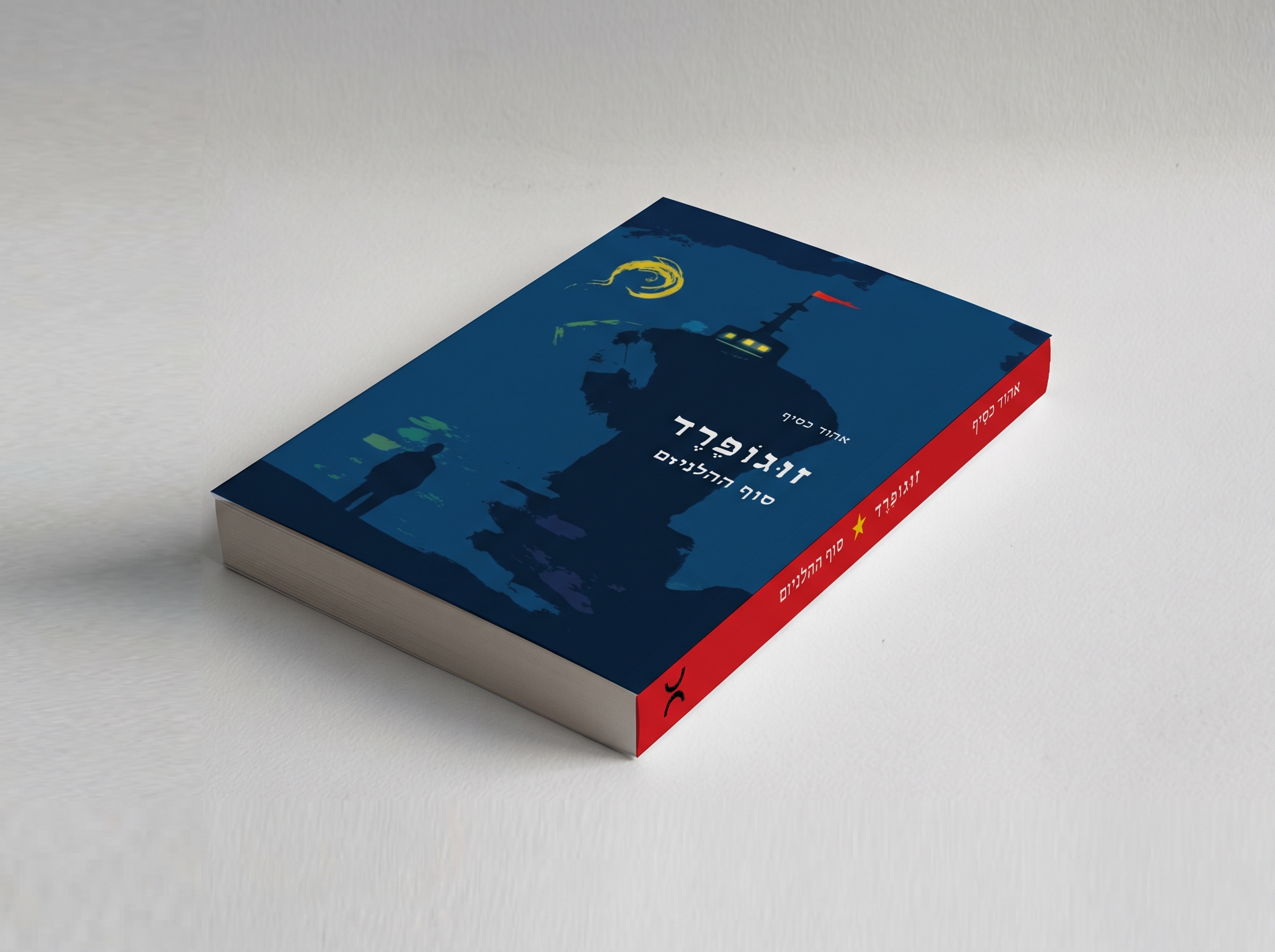
Koan
Is our thinking free and open?
On a bright spring afternoon, Laurent Nojère, head of France's internal security apparatus, receives a shattering piece of intelligence that sends him alone on an urgent journey into the eye of the storm, in a race to prevent a terrible catastrophe. Alongside the story of his dramatic journey — which unfolds in less than twenty-four hours — we follow the captivating story of Western civilization itself: from its peculiar rise, through its violent expansion, to its consolidation at mid-century as the dominant mode of thought across the world.
Did Laurent Nojère fail? Did we all? Where and when did the disaster begin to take shape — the disaster that came to wash ashore on the coasts of France? The possibility of the end opens Laurent's eyes, and our own, to the history of the West seen now in a new light: not enlightenment but the lust for power, not curiosity but the drive to suppress the different.
And the desire to know? Nothing but a concealed ambition to control everything.
Together with Laurent Nojère and the novel's other protagonists, we set out on a journey to the founding moments of Western civilization — from the great battles between the armies of Alexander of Macedon and his rival, the Persian King of Kings Darius III, through the moments of grace between the two leaders, and on to our own time, where the struggle continues between pairs of subjects of Western culture: the Frenchman Laurent Nojère and the Chinese woman Xiao Muyo, the narrator and his partner, you and I.
Will the twenty-first century mind succeed in freeing itself from the yoke of Hellenistic conquest?
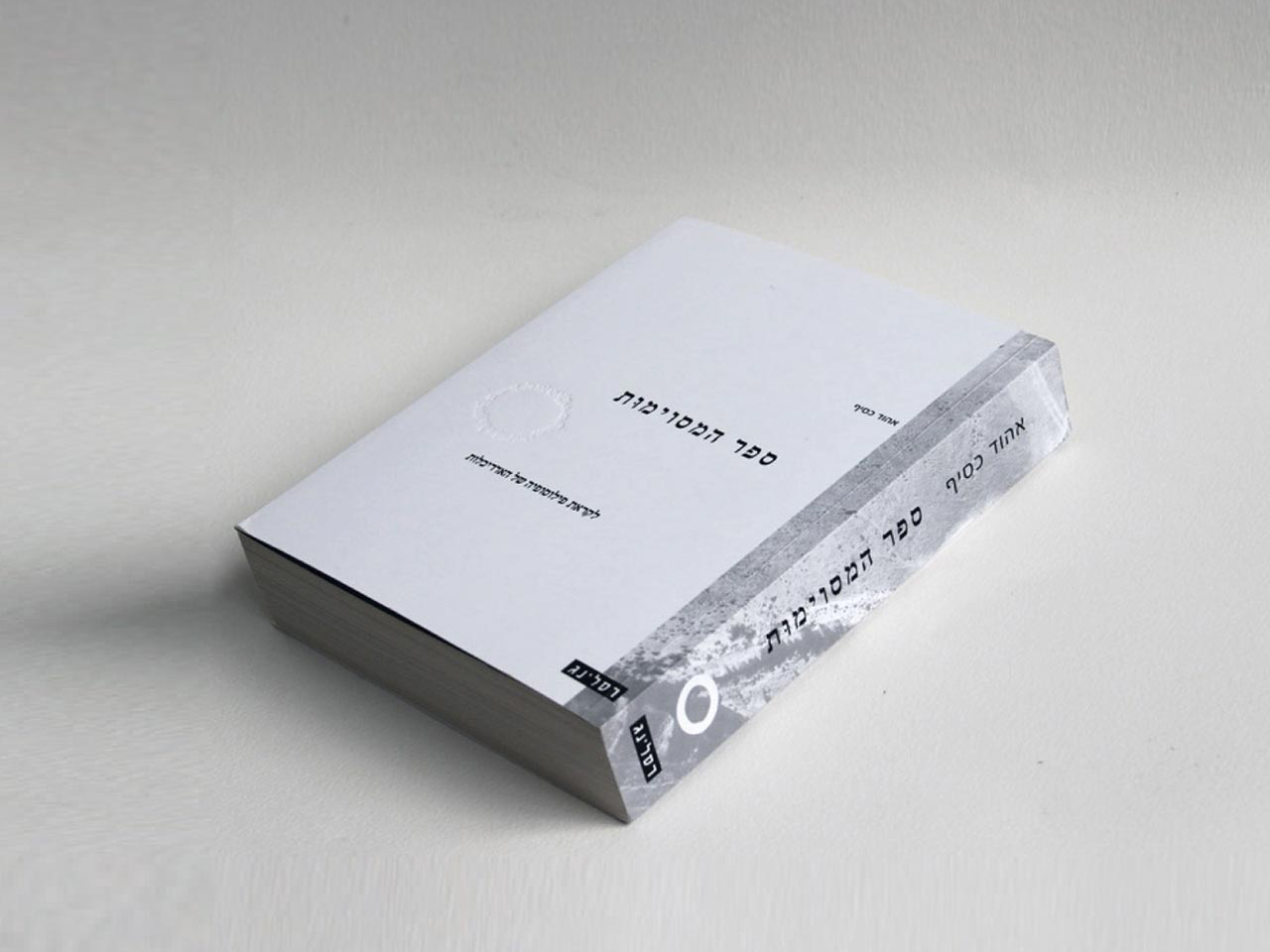
Book of Specificity
Architect or Arkitekt?
Since the rise of modern thought, the site of existence has been located in a space that is simultaneously physical and metaphysical, with consciousness at its center. Architecture too inhabits and operates within this unified world — and is itself, first and foremost, a matter of consciousness. Centuries have passed, yet this understanding has generated remarkably little philosophical-architectural thought. This book proposes an architectural inquiry through the construction of a new conceptual vocabulary, centered on Specificity — a notion that crosses old boundaries and unites spirit and matter.
The Book of Specificity is a journey through five circles that sketch a kind of cosmology, one that breaks through the hoops of Hellenistic thought within whose walls we still dwell. The reader will discover that architecture — from its Greek root, essentially bound to mastery over the craft of building — conceals behind it the more ancient arkitektura, of Akkadian-Semitic origin; in the architectural act of the Akkadian 'servant of the temple,' thousands of years old, spiritual work is woven together with belief and practice. Between the architect and the arkitekt, it turns out, lies the abyss between two entirely different worlds of meaning and culture.
In its architectural vision, the book opens with the most encompassing background imaginable within which architecture unfolds — the Present. The Present, as the first circle explains, is not time, nor a part of time as commonly understood, but possibility itself — or in the book's own terms, 'pure potentiality,' from which everything flows. All that appears in the book's subsequent circles will be expressions and inclinations of the Present as it reveals itself in its specificity: Being, Becoming, Presence, and YHWH (I Am).
But on its way toward this new metaphysics and its investigation of Specificity — which appears through the power of the Present — the book leads its readers on a journey along a different, surprising, and personal path, moving between events and memories: from the forests of the Carmel to the summit of Mount Karkom, from London to Douha in Lebanon, between separateness and love, between circles of ink and sketches of thought — all woven into a single philosophical inquiry about the architect's faith and work, which transforms transparent 'possibility' into sensory reality in order to dwell within it.